Eduardo Kac
Echoes of a Spiral Drift
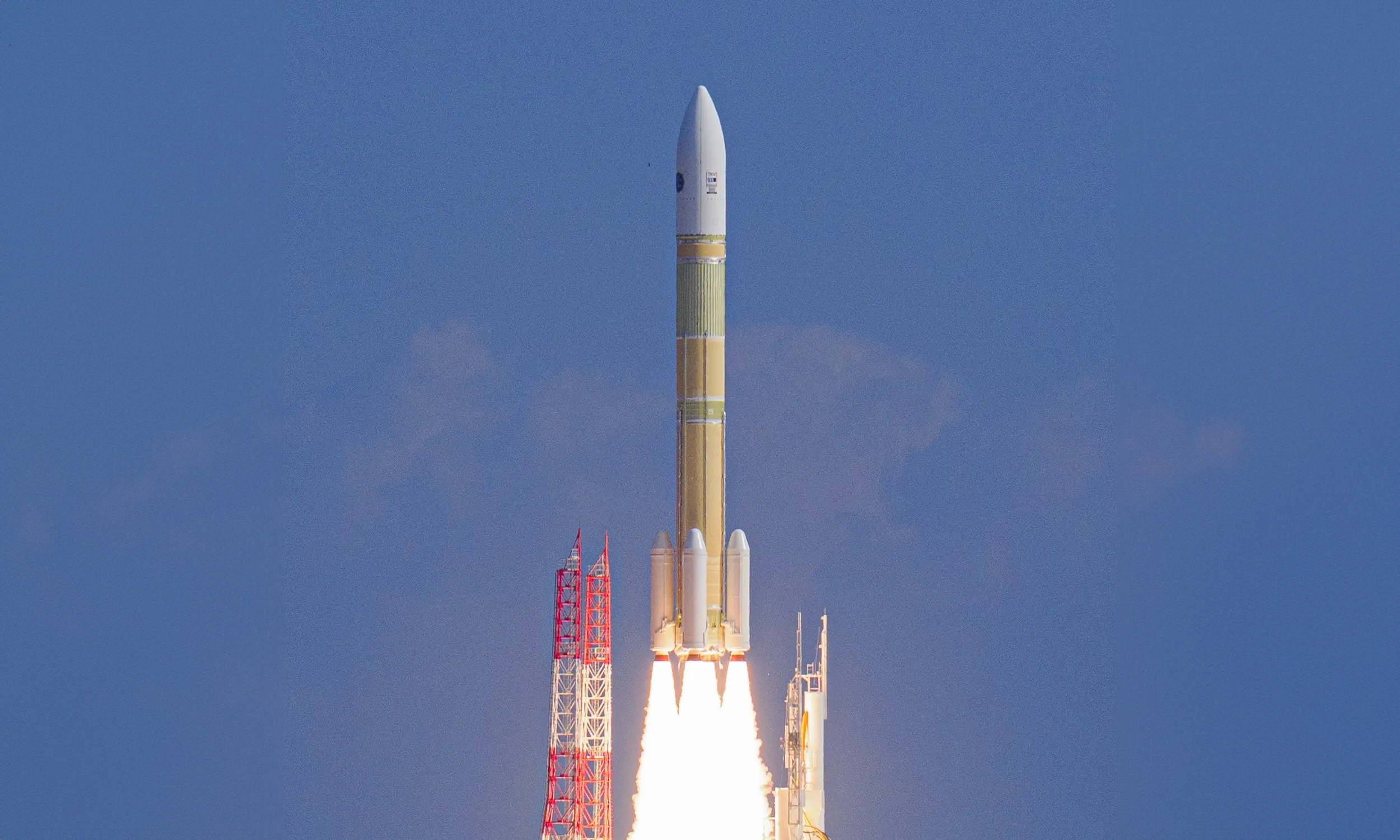
Destination: Phobos (one of the two moons of Mars)
Launch date: October 20, 2026
Launch site: Yoshinobu Launch Complex at the JAXA Tanegashima Space Center
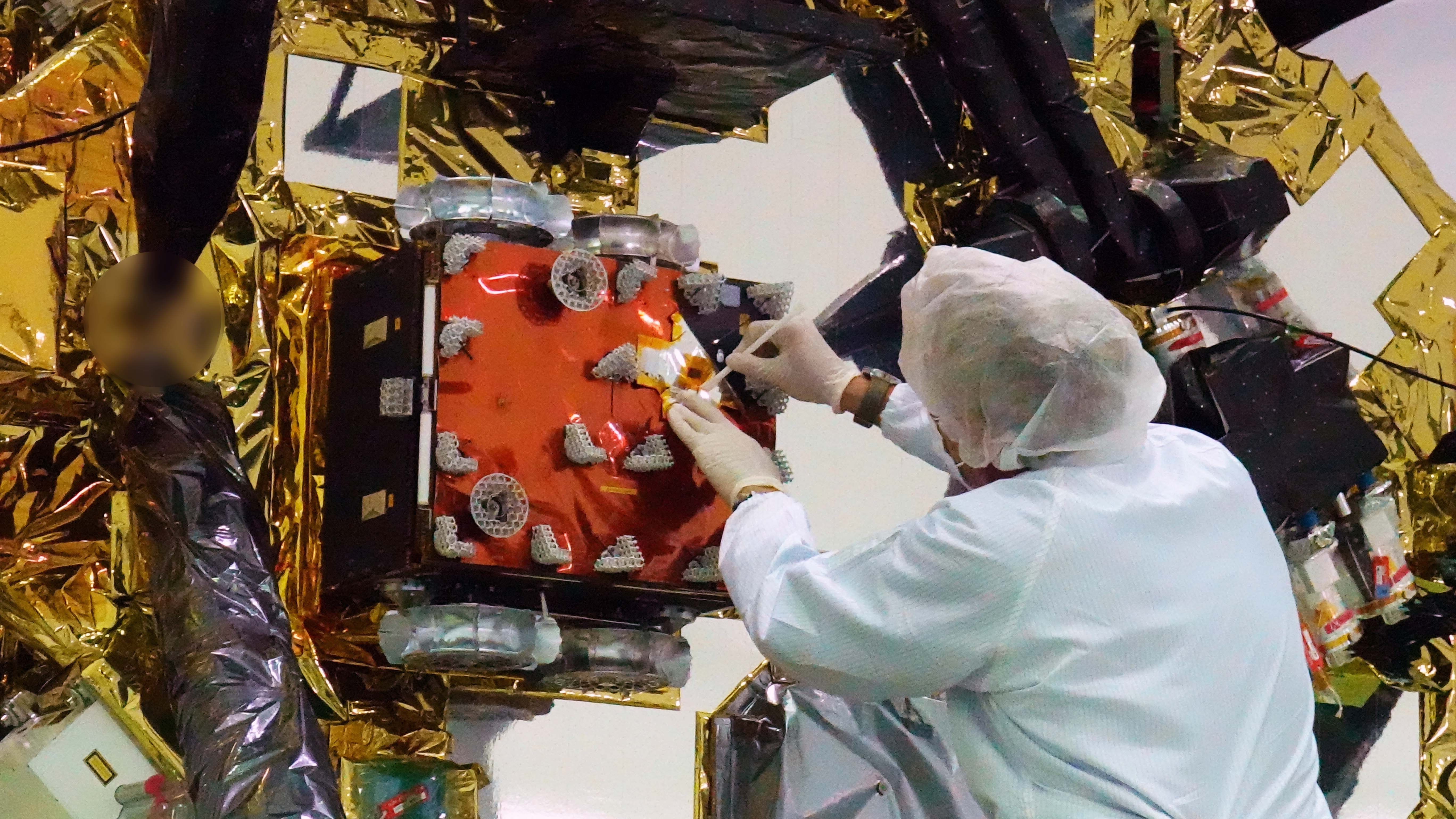
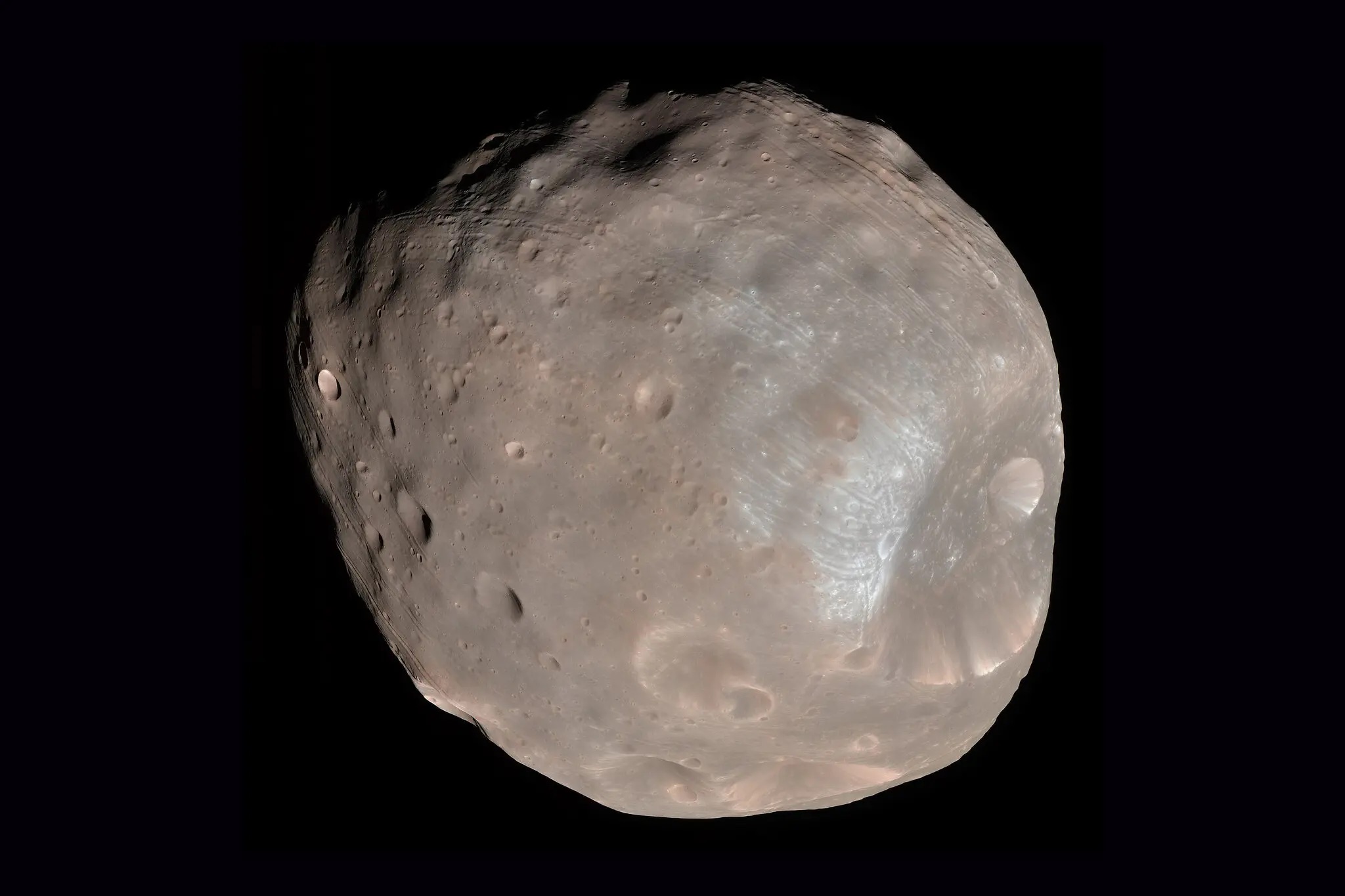
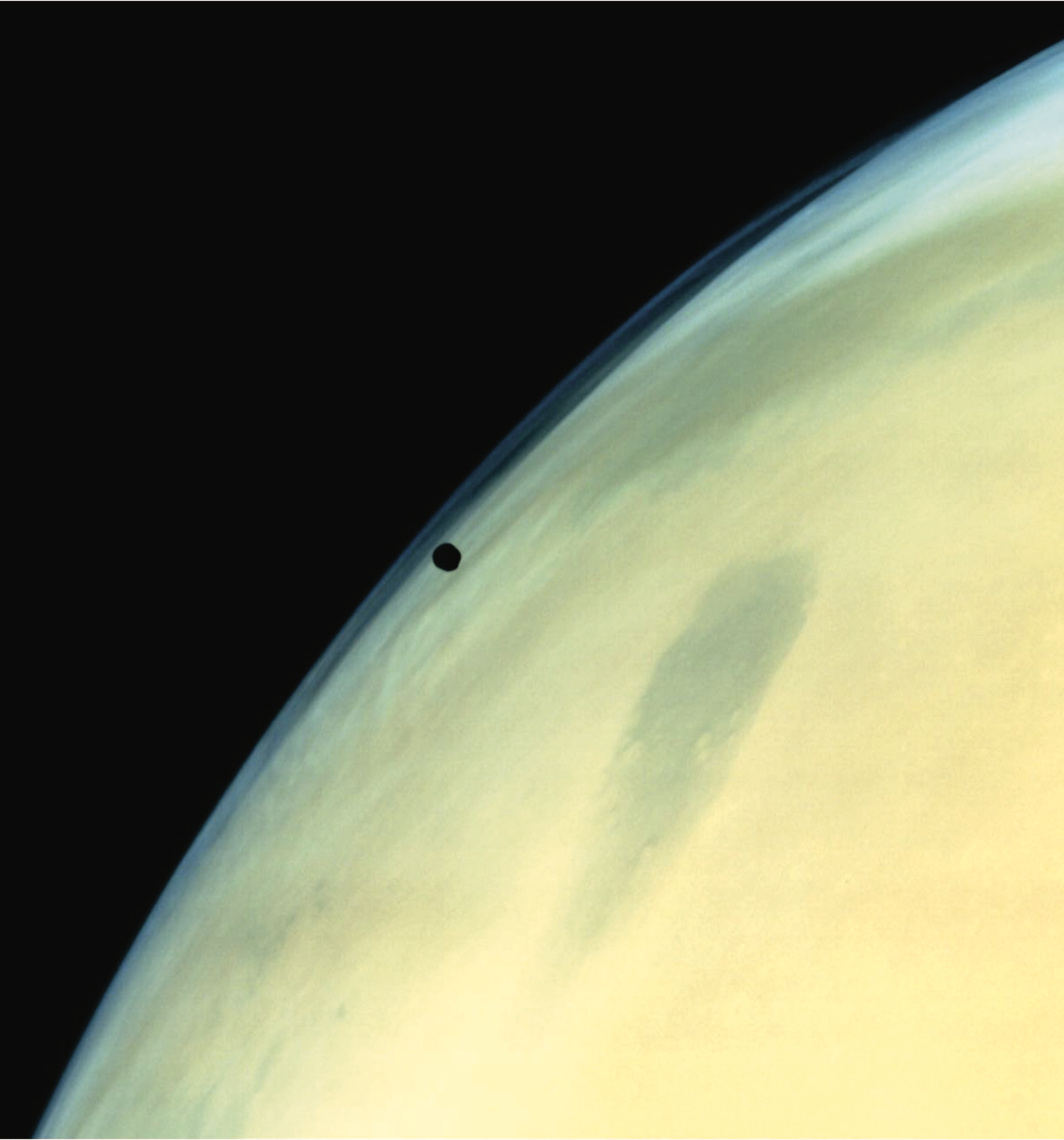
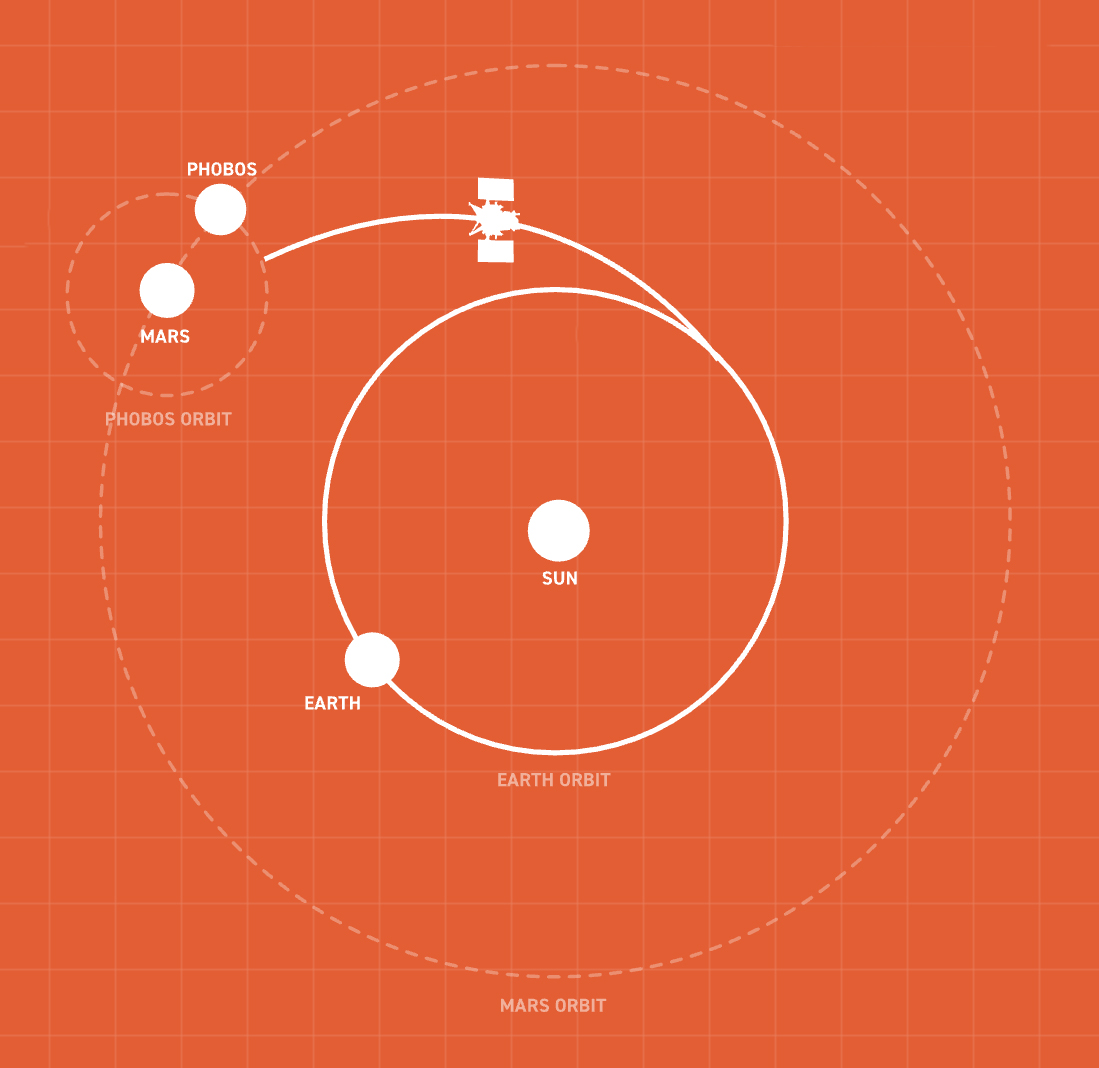
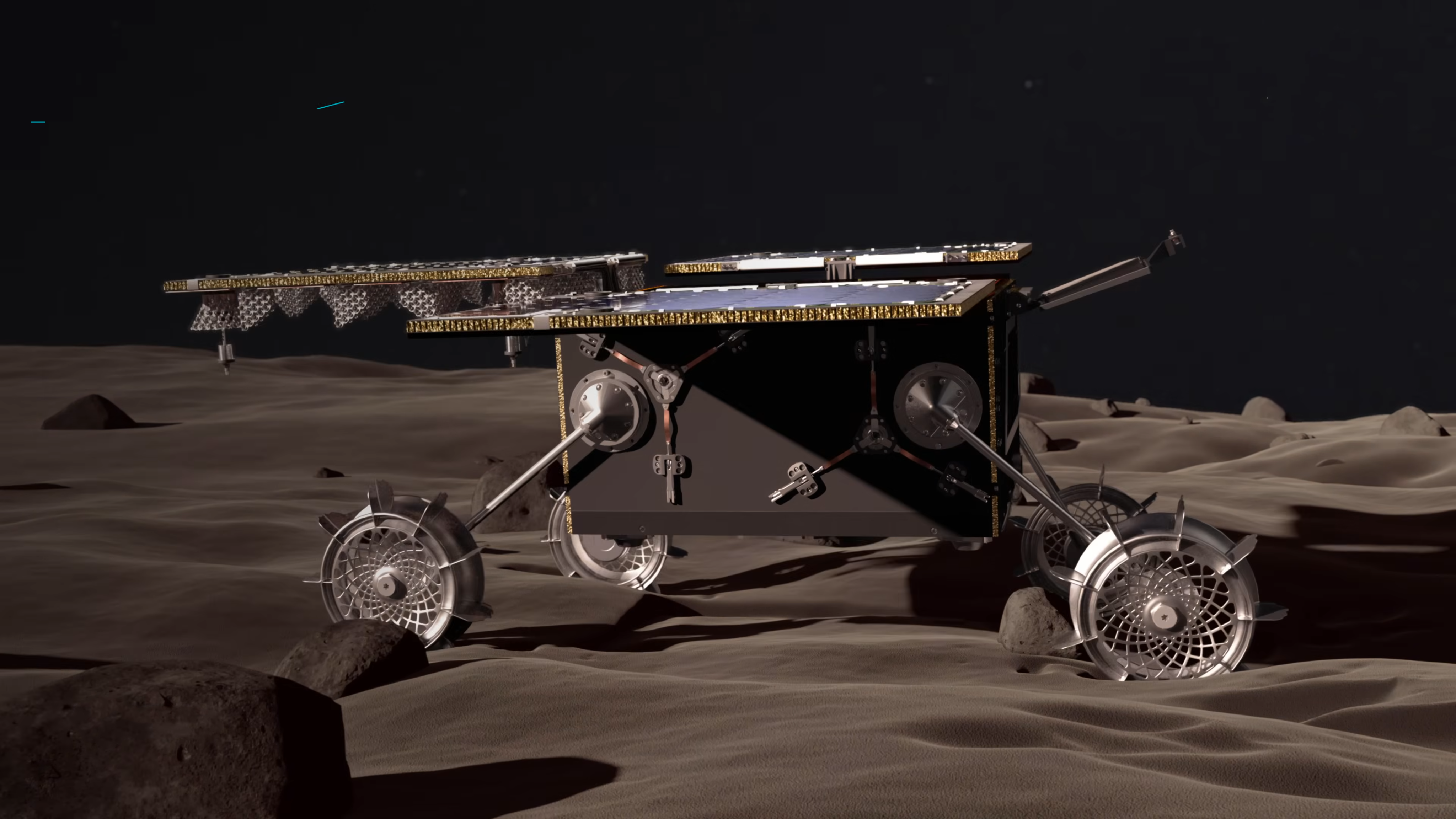
Echoes of a Spiral Drift was installed on the Idefix rover, which will fly to Mars attached to Jaxa's MMX spacecraft, on August 06, 2026 (see a photo of the integration and the certificate below). Idefix is a French-German rover. MMX means Martian Moons eXploration (MMX) mission. If the MMX ultimate goal ― to land on the Mars' moon Phobos, collect samples, and return to Earth ― is achieved, this will mark the world's first round-trip sample return mission to the Mars system. Idefix is set to play a crucial role in the mission once deployed to the surface of Phobos. It will explore this very-low-gravity environment and assist the Japanese probe in collecting the samples. The outbound and return legs of the MMX probe are similar in duration (~1 year each), but the mission includes an extended ~3-year stay at the Martian system for science operations. MMX is expected to return to Earth in 2031. Echoes of a Spiral Drift will stay on Phobos permanently aboard the Idefix rover.

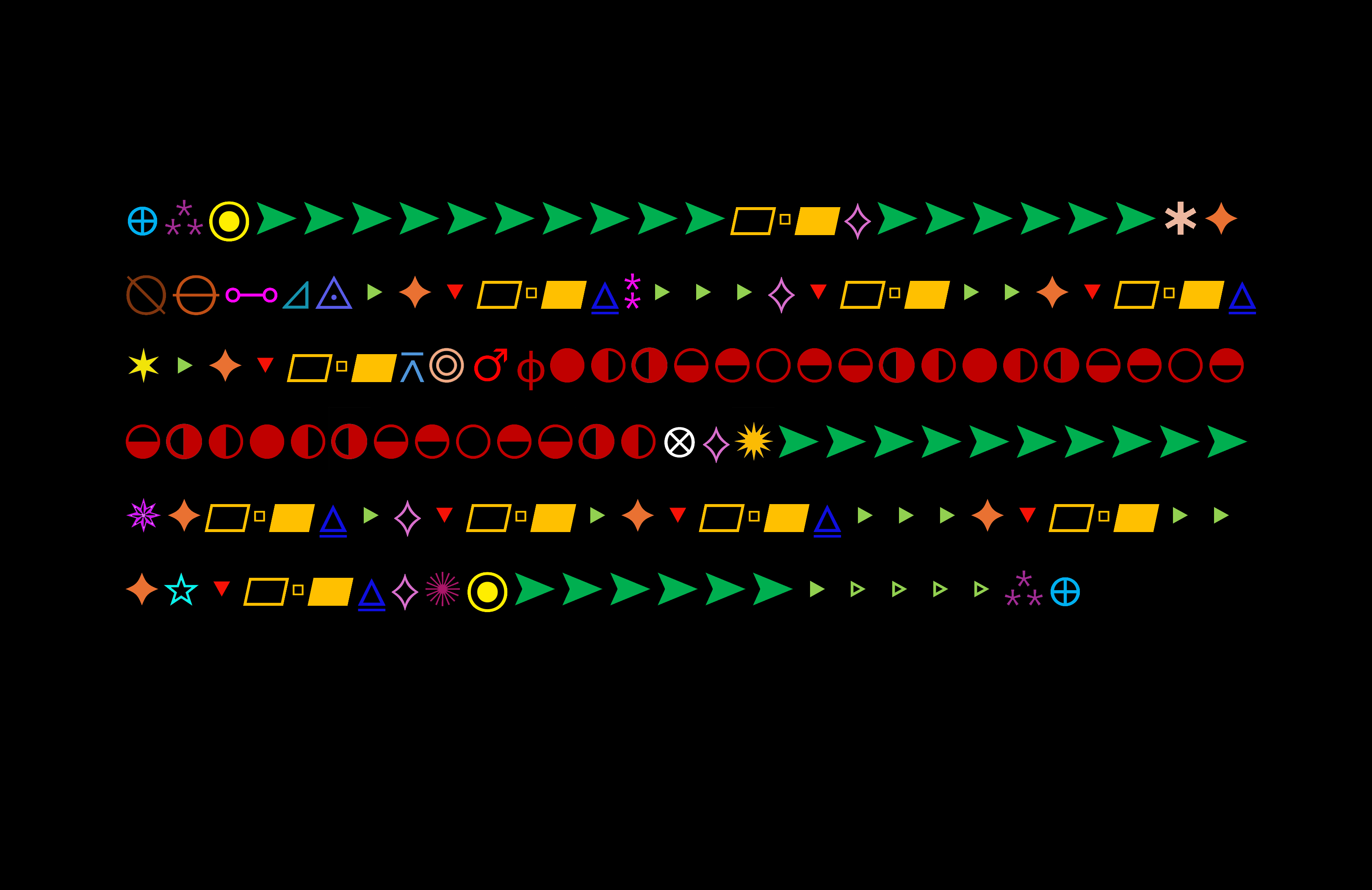
Echoes of a Spiral Drift
Eduardo Kac
Echoes of a Spiral Drift is a space artwork I created to travel to the Mars system, as part of JAXA’s Martian Moons eXploration (MMX) mission. Scheduled to launch on October 20, 2026, the work will journey to Phobos, one of the red planet’s two moons, installed directly on the Idefix rover. As I have done previously with Ágora and Monogram, this work extends artistic practice into interplanetary space, using the mission itself as both medium and context.
This work unfolds as a continuous field of Unicode symbols (arrows, circles, stars) interrupted, repeated, resumed, assembled into a visual syntax at once archaic and extraterrestrial. Stripped of alphabetic language, it gestures toward motion, contrast, cycles, and intervals. Meaning emerges obliquely, through rhythm and recurrence rather than instruction, inviting the viewer to read it intuitively, the way one reads constellations or signals: for orientation, resonance, and the quiet sense that something is passing, looping, and returning. What it offers is a trajectory, a way of sensing direction and duration through a system of signs that feels both machine-native and strangely intimate.
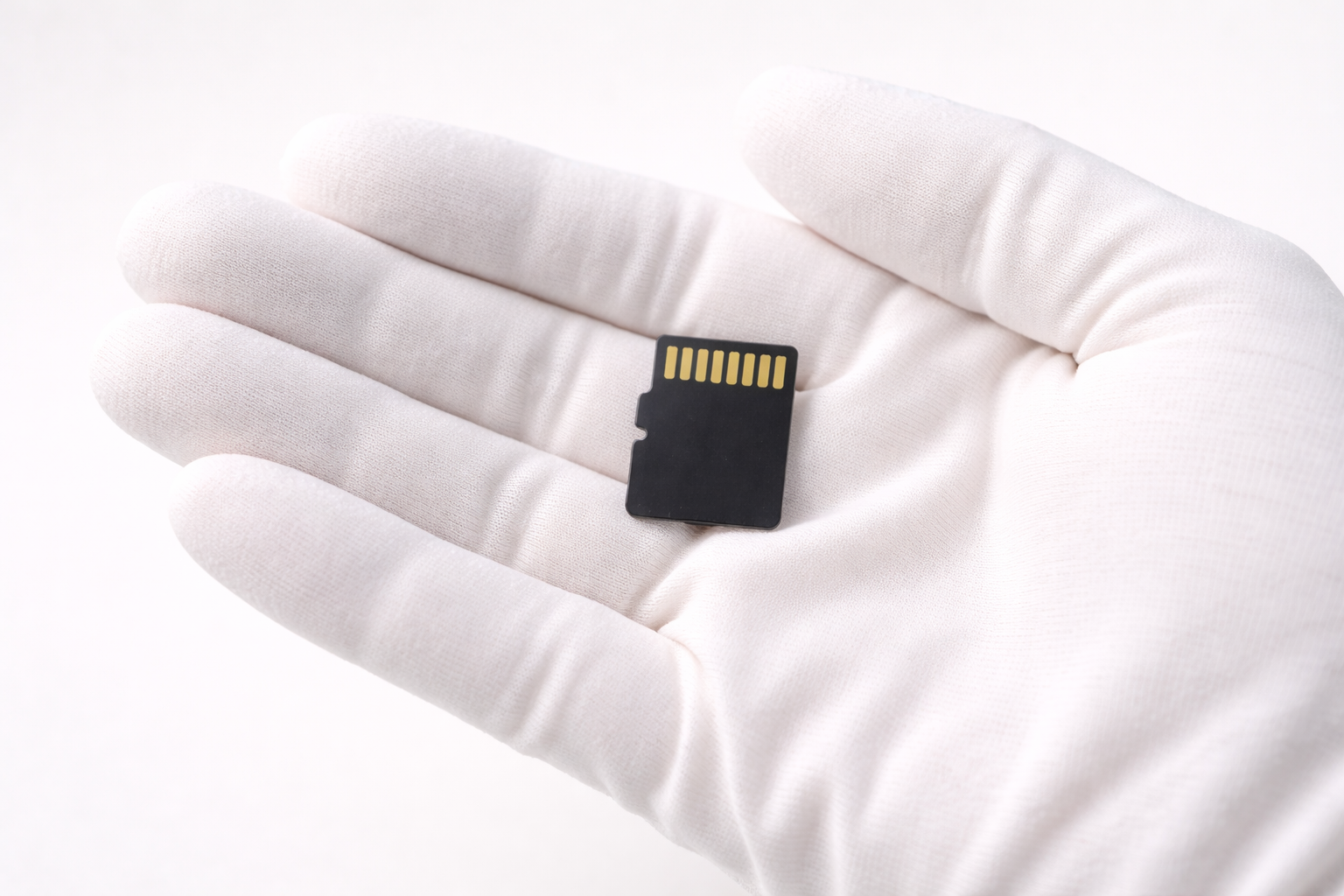
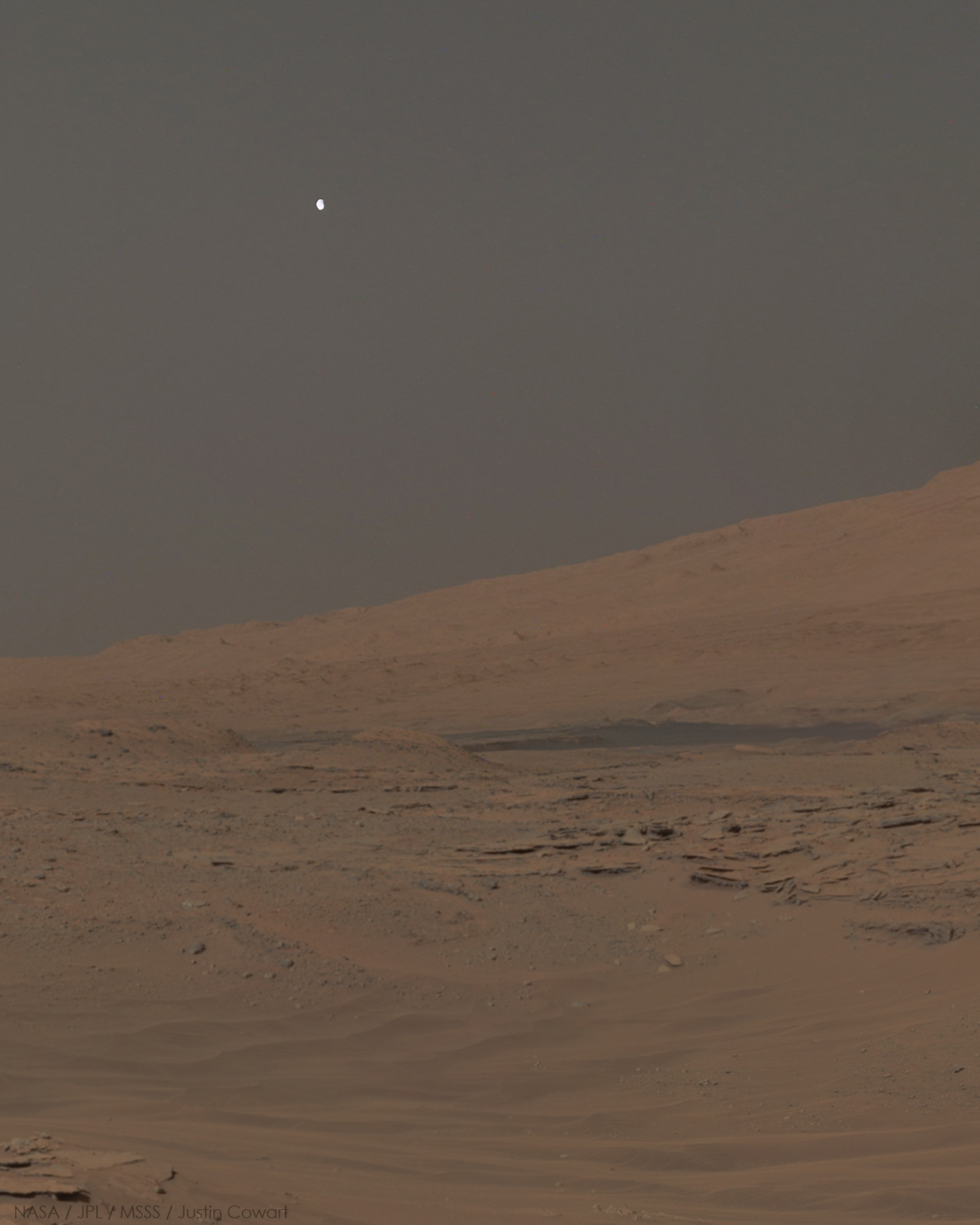
The artwork is a massless payload. It is stored on an SD card mounted on the Idefix rover, alongside other mission files. The SD card is attached to the underside of a solar panel that, once deployed, will keep the card facing the ground. The deployment of Idefix is planned for late 2028 or early 2029, after a period of Phobos observation from Mars orbit. If MMX succeeds in releasing the rover to the surface of Phobos, Echoes of a Spiral Drift will remain in orbit around Mars for millions of years.
MMX is designed to arrive at Mars in 2027, study Phobos and Deimos through 2030, and return to Earth in 2031, with the sample capsule expected to land in Australia. The outbound and return voyages of the MMX probe each last about a year, with an extended three-year stay in the Martian system for scientific operations. Led by JAXA and supported by international partners including ESA, NASA, CNES, and DLR, the mission seeks to determine the origin of Mars’s moons and deepen our understanding of the Martian environment.
Japan's prior successes with Hayabusa and Hayabusa2—culminating in the return of asteroid material to Earth—place MMX in a line of Japanese sample-return missions. Within that continuity of exploration, my artwork participates as a quiet companion, journeying outward, carrying human expression to Phobos and, ultimately, there leaving a trace of what cannot be measured.